2025 sparked a wave of cosmetic crazes, but few have stuck like peptides. Almost overnight, there was a peptide “fix” for everything—from weight loss to so-called sunless tanning—often with claims that sounded a little too good to be true. Heading into 2026, peptides are still everywhere, dominating headlines and feeds and raising real questions about safety and effectiveness. On RealSelf.com alone, our Q&A page is flooded with patients asking how peptides might impact procedures and recovery. So let’s break down the what, how, and why behind peptide culture—and take a clearer, more informed look at the trend. |
|
|
Before getting into how peptides are used—or what they actually do—we need to define them. The problem? “Peptide” has become a catch-all term. As GQ put it, saying you’re interested in taking a peptide is basically like saying you’re interested in taking “medicine.” Peptides are often called the body’s messengers—the protein building blocks your body naturally produces to regulate things like tissue repair, metabolism, and immune response. Because of that role, scientists have been developing peptide-based treatments since the early 1900s. More recently, peptides have exploded beyond the clinic, showing up in over-the-counter wellness products and skincare—think Rhode’s Peptide Lip Treatment—with claims ranging from hair growth and skin health to even bone density. |
|
|
Peptides—from semaglutide for weight management to Matrixyl for collagen production and ipamorelin for muscle growth—come in many forms, including oral medications and injectables. These medical-grade, synthetic compounds work by mimicking the body’s natural peptides, signaling biological processes to work more efficiently or at the right time. Because each peptide is designed with a specific structure, its effects are typically targeted and intentional—making peptides useful across a wide range of treatments, from diabetes and fertility care to hair restoration and skin rejuvenation. |
|
|
WHY HAVE THEY BECOME SO POPULAR? |
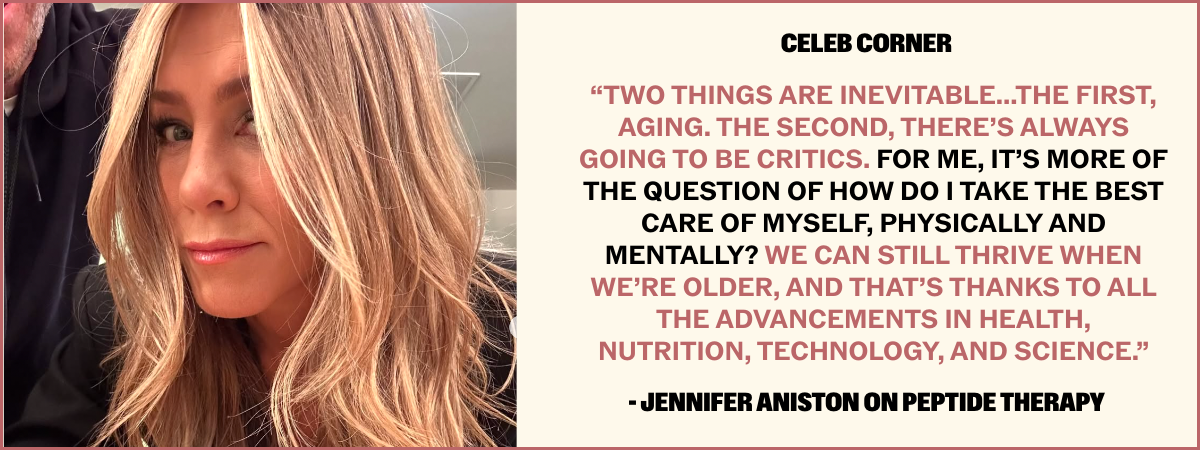
Peptides have blown up with celebrities and wellness influencers, often marketed as a more “natural” form of medicine. New York Magazine points to online subcultures—like young male “looksmaxxers”—as one force behind the trend, while the broader biohacking movement has helped position peptides as near cure-alls. RealSelf Verified dermatologist Sonia Badreshia-Bansal, MD, says more patients are now asking for peptide-based treatment plans after seeing them online. “What’s striking,” she notes, “is that these requests are driven by trend exposure rather than clear medical indication.” Peptides aren’t new—but their resurgence is fueled by cosmetic and wellness goals, supercharged by social media. Celebrities openly hype them, too. In Elle, Gwyneth Paltrow joked, “Injectable B12 is one of my biggest wellness tools. Same with NAD+ and peptides.” |
|
|
ARE THERE ASSOCIATED RISKS? |
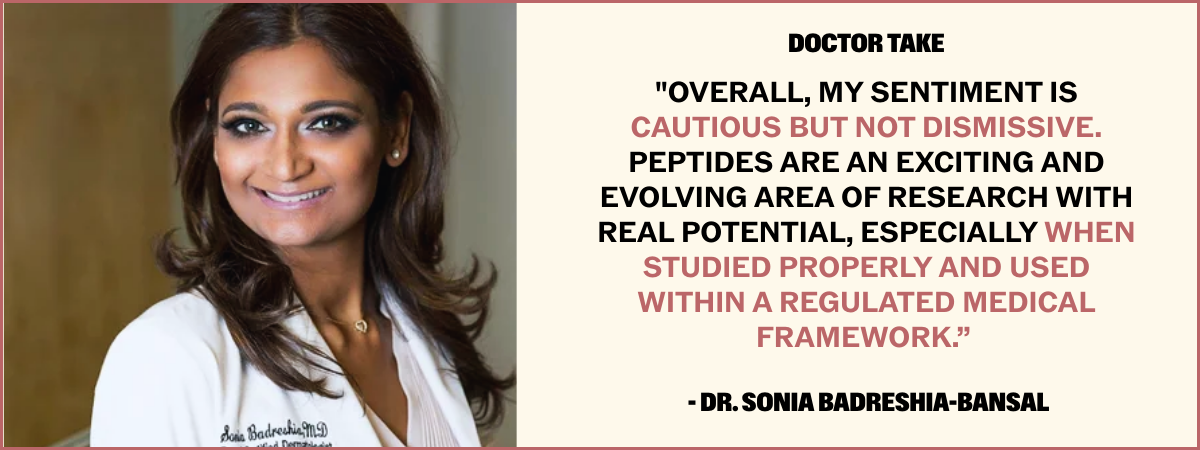
Like any treatment with big promises, peptides come with real risks. According to Sonia Badreshia-Bansal, MD, “Peptides aren’t inherently unsafe, but many are being commercialized before we fully understand their long-term effects, optimal dosing, or real-world outcomes. That gap between promise and proof is where concerns arise.” Regulators are paying attention. The FDA has started tightening oversight of the peptide market, which has long lived in a gray area. Beginning in 2026, stricter standards are expected to phase out noncompliant compounders while elevating more tightly regulated, specialized firms. |
|
|
Whether peptides truly live up to their “cure-all” hype is still up for debate—but their staying power isn’t. New York Magazine reports the global peptide therapeutics market is nearing $50 billion in annual sales, with projections to nearly double over the next decade. In RealSelf’s 2025 Real Talk Report, RealSelf-Verified providers framed this growth as part of a broader “regenerative revolution.” As Dr. Johnny Franco put it, “Regenerative has been a hot topic for years—but now, the science is finally catching up to the hype.” Interested in learning more on peptide treatments? Get real-time answers from RealSelf-Verified experts at RealSelf.com. |
|
|
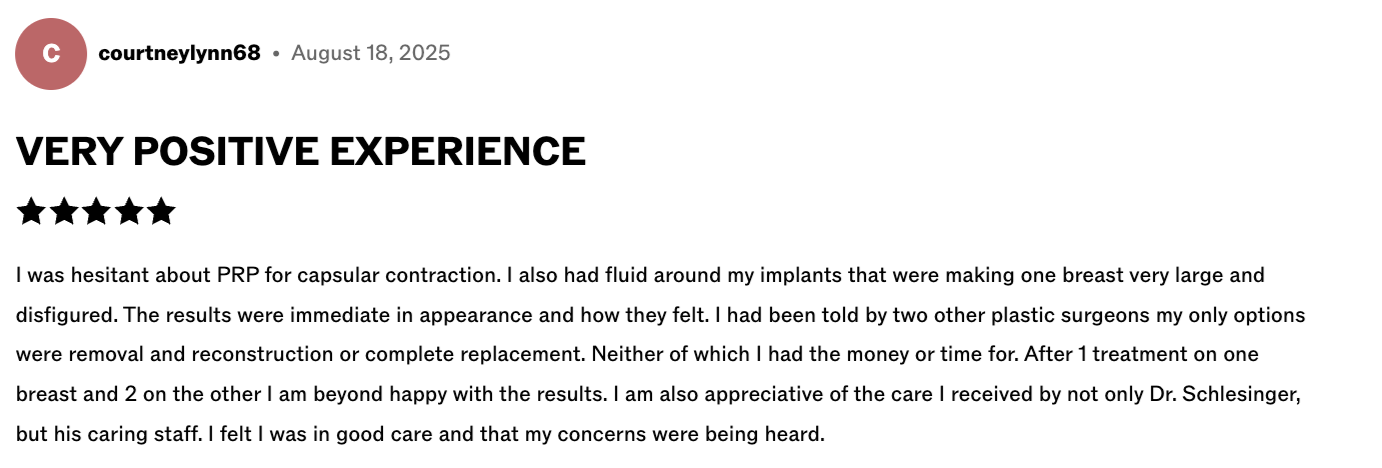
New reviews on RealSelf.com that patients are raving about—and booking because of. |
|
|
This email was sent to ali.booth@realself.com. We value your privacy and will never share your email without your permission. If you no longer wish to receive emails from RealSelf, unsubscribe here. © 2026, RealSelf is a registered trademark of RealSelf, Inc. All Rights Reserved. RealSelf Inc.
92 Lenora St. #196, Seattle, WA 98121. |
|
|
|